How Ventura Dental Experts Personalize Periodontal Treatment

Gum disease rarely follows a script. Two patients can show up with the same complaint, bleeding when they floss, and need very different care once a periodontist or general dentist takes a close look. One may have mild gingival inflammation tied to missed cleanings and a new medication that causes dry mouth. The other may have years of bone loss, old dental work that traps plaque, nighttime clenching, and a family history that makes their gums more vulnerable than average. That is why skilled clinicians do not treat periodontal disease as a one-size-fits-all problem.
In Ventura, where patient populations range from busy professionals and retirees to agricultural workers and families juggling full schedules, personalized care matters. The best periodontal treatment plans account for biology, habits, age, health history, and the practical realities of what a patient can maintain at home. Good dentistry is never just about what happens in the chair. It is about building a plan that can succeed in real life.
Why personalization changes outcomes
Periodontal disease is an infection-driven inflammatory condition, but that clinical definition only tells part of the story. What determines progression is the interaction between bacteria and the host response. Some people accumulate heavy plaque and tartar quickly yet show only mild tissue damage. Others lose supporting bone faster, even with less obvious buildup. Smoking, diabetes, hormonal shifts, stress, mouth breathing, poorly fitting restorations, and genetics can all tilt the scales.
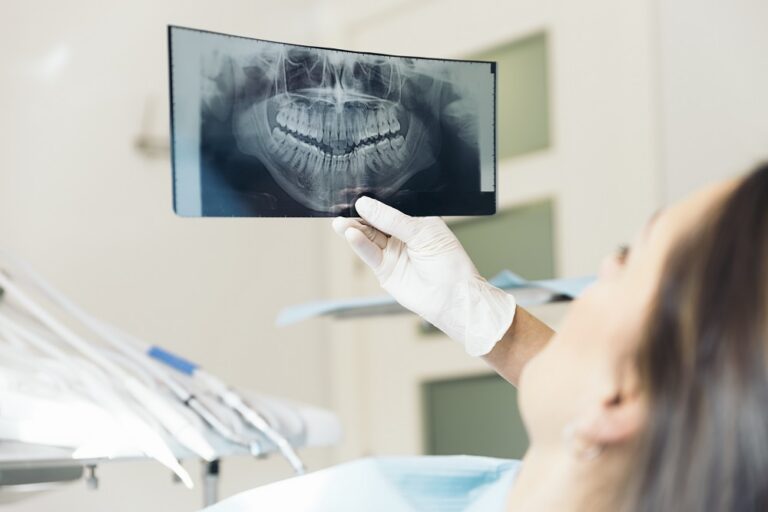
That variation becomes obvious during examinations. One patient’s gum pockets may be shallow but bleed heavily because tissue is acutely inflamed. Another may have deeper pockets with surprisingly little discomfort because the disease has advanced slowly over time. A dentist experienced in Periodontal Treatment Ventura patients rely on will look beyond surface symptoms. Bleeding, recession, mobility, pocket depth, bone levels on radiographs, and plaque retention patterns all help shape treatment.
Personalization also affects patient acceptance. When people understand why a recommendation fits their specific mouth, they are more likely to follow through. A generic warning about gum disease tends to blur into background noise. A precise explanation, such as “the lower front teeth are loosening because calculus has built up behind them for years and bone support is thinning,” is something patients can visualize and act on.
The first appointment is often more revealing than patients expect
Most tailored periodontal care begins with a careful diagnostic visit, not immediate treatment. Patients sometimes assume they are simply coming in for a cleaning, then learn they need a periodontal charting, a review of updated X-rays, and a discussion about what the gums are actually doing. That can be frustrating in the moment, but it is usually a sign of thorough care rather than delay.
A clinician personalizing treatment will often assess pocket depths around each tooth, usually in six areas per tooth. They note bleeding points, recession, mobility, furcation involvement in molars, and the amount and location of plaque and tartar. X-rays help reveal bone loss patterns that the naked eye cannot see. Some offices also compare current findings with earlier records to determine whether disease is stable, slowly progressing, or actively worsening.
The pattern matters. Localized disease around a few teeth may point to specific plaque traps, old crowns with open margins, crowded lower incisors, or areas the patient cannot clean effectively. Generalized disease across the mouth suggests broader risk factors, including inconsistent home care, tobacco use, or systemic inflammation. Personalized treatment starts by answering a basic clinical question: is this a site-specific problem, a whole-mouth problem, or both?
What Ventura clinicians consider before recommending care
There is a practical side to individualized planning that patients do not always see. The recommendation is not based only on what is ideal on paper. It is based on what is medically sound, realistically maintainable, and likely to produce durable improvement.
Experienced dental teams often weigh several variables at once:
- the severity and distribution of bone loss and pocketing
- systemic conditions such as diabetes, autoimmune disease, or pregnancy
- smoking or vaping history
- the patient’s ability to perform daily cleaning at home
- whether old restorations, bite forces, or tooth positioning are making the disease harder to control
That is why two people with “gum disease” may leave with very different plans. One may need scaling and root planing in two visits plus a custom home-care routine. Another may need localized therapy around a failing molar, a referral to a periodontist, and a discussion about whether saving that tooth makes long-term sense.
Not every case needs surgery, and not every case should avoid it
One of the biggest misconceptions around periodontal treatment is that it falls into only two categories: a regular cleaning or gum surgery. Real treatment lives in the middle. Much of the work involves calibrated non-surgical care, close reevaluation, and selective use of adjunctive therapies.
For mild to moderate disease, scaling and root planing remains a cornerstone. This deep cleaning removes tartar and bacterial deposits below the gumline, smooths root surfaces, and reduces inflammation so tissue can tighten around teeth again. In a straightforward case, pocket depths may shrink meaningfully after this phase, especially when the patient improves brushing and interdental cleaning at home.
But response to treatment varies. I have seen patients with generalized 5 millimeter pockets return six weeks after scaling and show impressive healing, with less bleeding and several areas reduced to 3 millimeters. I have also seen stubborn sites hold at 6 or 7 millimeters despite solid effort, usually around molars with root grooves, furcations, or old restorations that continue to harbor bacteria. Those are the moments when personalized care matters most. The goal is not to keep repeating the same therapy and hoping for a different result. It is to decide what that tooth and that patient need next.
Surgical treatment becomes appropriate when access is limited, anatomy is complex, or tissue architecture needs correction. Flap procedures may allow better cleaning of deep deposits and reshape tissue for healthier maintenance. Regenerative procedures may be considered in selected defects where rebuilding lost support is possible. Soft tissue grafting can address recession, sensitivity, or vulnerable root surfaces. The key https://remingtonwnmj319.iamarrows.com/periodontal-treatment-ventura-for-mild-moderate-and-severe-gum-disease is selectivity. Good clinicians do not recommend surgery because a protocol says to. They recommend it because non-surgical treatment has limits in that specific mouth.
Home care is customized, not copied from a brochure
Patients often receive generic advice about flossing more, but personalized periodontal care goes further. It identifies exactly where cleaning is breaking down and adapts recommendations to the person’s dexterity, schedule, and dental anatomy.
Someone with tight contacts and healthy hand skills may do well with floss and an electric toothbrush. A patient with wider embrasures after bone loss may benefit more from interdental brushes than floss alone. Another patient with bridges, implants, or orthodontic retainers may need threaders, water irrigation, or a specific brushing angle around margins. If someone has arthritis, the “best” technique is not the most elaborate one. It is the one they can perform consistently.
This is where practical coaching matters. Telling a patient to brush better is nearly useless. Showing them that the lower lingual surfaces are being missed because of crowding, then handing them the right-size interdental brush and having them practice, changes behavior. The best dental hygienists and periodontal teams are often part clinician, part coach. They translate diagnosis into daily action.
Dry mouth deserves special mention because it is easy to underestimate. Many adults in periodontal care take medications for blood pressure, anxiety, allergies, sleep, or pain that reduce salivary flow. Less saliva means less natural cleansing, more plaque retention, and greater tissue irritation. In those cases, personalized care may include hydration strategies, saliva substitutes, shorter intervals between cleanings, and more vigilant use of fluoride if root surfaces are exposed.
The role of medical history is larger than most patients realize
When Ventura dental experts personalize gum care, they do not treat the mouth as isolated from the rest of the body. This is especially important in periodontal disease, where inflammation and healing capacity are closely linked to systemic health.
Diabetes is the classic example. Poor glycemic control is associated with more severe periodontal breakdown and slower healing. That does not mean periodontal treatment should be postponed until blood sugar is perfect. It means treatment planning and maintenance need to account for increased risk, and communication with the patient’s physician may sometimes help. In well-managed diabetic patients, outcomes can be quite good. In poorly controlled cases, the same level of disease may behave more aggressively.
Pregnancy, menopause, autoimmune conditions, osteoporosis medications, and cardiovascular history can also shape the plan. So can nutrition and stress. A patient grinding through a high-pressure season at work may clench heavily, inflaming periodontal ligaments and making certain teeth feel sore or mobile. Another may be skipping meals, sleeping poorly, and cutting corners on oral hygiene. Those factors do not excuse disease, but they explain why textbook advice sometimes misses the mark.
A careful clinician also knows when periodontal symptoms point beyond routine inflammation. Persistent lesions, unusual tissue changes, or rapid destruction in a young patient may require broader investigation. Personalization is not just about tailoring treatment. It is also about recognizing when the clinical picture does not fit and needs a deeper look.
Maintenance intervals are set by risk, not tradition
A common question after active treatment is how often a patient needs periodontal maintenance. Many people have heard “every six months” for so long that it feels like a rule. For periodontal patients, it often is not enough.
Once attachment loss has occurred, the mouth has a history that normal prophylaxis schedules do not erase. Bacterial biofilm repopulates over time, and some patients accumulate deposits quickly in hard-to-reach areas even when they are trying. A three-month interval is common after active periodontal therapy because it interrupts that cycle before inflammation regains momentum. Some stable patients may eventually stretch to four months. Others, especially smokers or patients with dexterity limitations, may need closer monitoring long term.
This is where individualized dentistry shows maturity. Over-treating wastes time and money. Under-treating risks relapse. The right interval depends on bleeding trends, pocket stability, deposit formation, systemic risk, and home-care performance. One patient may thrive on three visits a year. Another may stay healthier with four. The schedule should be earned by evidence, not chosen out of habit.
Restorative dentistry and bite issues often influence the gums
Periodontal treatment does not happen in a vacuum. Existing crowns, fillings, bridges, implants, and bite relationships can either support gum health or quietly undermine it.
Margins that overhang even slightly can trap plaque and make cleaning difficult. Open contacts invite food impaction, which creates chronic irritation between teeth. Teeth that drift after bone loss can create new cleaning challenges and alter force distribution. Heavy bite stress does not cause periodontal disease by itself, but on an already compromised tooth it can worsen mobility and discomfort.
That is why personalized care sometimes includes restorative correction or occlusal adjustment as part of the plan. If a lower molar keeps developing inflammation because a crown contour catches debris under the gumline, no amount of deep cleaning will fully solve the problem until that crown is addressed. If a front tooth is flaring due to loss of support and bite trauma, a night guard or selective bite management may help preserve comfort and function.
Patients tend to appreciate this integrated approach because it finally makes the recurring problem make sense. They stop hearing “just keep it cleaner” and start understanding the structural reasons that cleaning has been difficult.
What patients can expect during a tailored treatment process
Personalized periodontal care usually unfolds in stages. Even when the disease is significant, treatment rarely begins with every possible procedure at once. That pacing is intentional. It allows the clinician to see how tissues respond, reduces unnecessary interventions, and gives the patient time to build better routines.
A typical process often includes:
- detailed examination, charting, and imaging
- active therapy such as scaling and root planing or localized treatment
- a reevaluation visit to measure healing and identify persistent problem sites
- further care only where needed, which may include surgery, restorative changes, or referral
- ongoing periodontal maintenance based on risk and response
That sequence sounds simple, but real cases are rarely linear. A patient may respond beautifully in most areas but still need surgery around one upper molar. Another may begin with severe inflammation that masks the true anatomy, making reevaluation essential before final decisions are made. Personalization means staying responsive rather than locking into a fixed plan too early.
Ventura-specific realities that shape treatment decisions
Local communities influence dental care more than many people realize. In Ventura, clinicians often work with patients whose jobs, transportation schedules, or caregiving responsibilities affect appointment timing and treatment pacing. A plan that requires many long visits may be clinically sensible but practically unworkable for someone who cannot take repeated time off. The best offices adjust without compromising essentials.
That may mean breaking treatment into quadrants, scheduling around harvest seasons or school hours, or front-loading education for patients who may struggle to return frequently. It may mean prioritizing the most unstable areas first, especially if insurance benefits are limited. Personalization is not just about disease biology. It is also about access, affordability, and follow-through.
Coastal living brings its own habits too. Patients who are health-conscious in some areas may still underestimate periodontal disease because it is often painless until damage is advanced. Others are highly motivated but overwhelmed by conflicting online advice about natural rinses, probiotics, oil pulling, or home scaling tools. A seasoned Ventura dentist or periodontist can separate supportive habits from distractions and keep the plan grounded in what actually improves tissue health.
The human side of periodontal care
For many patients, gum disease carries a surprising emotional weight. They may feel embarrassed by bleeding, anxious about bad breath, or ashamed that they let care lapse. Others become frightened when they hear words like bone loss or surgery. Personalized treatment includes how those conversations are handled.
The most effective clinicians explain findings clearly without scolding. They understand that avoidance often grows out of fear, cost concerns, or years of being told everything was “fine” until it suddenly was not. They also know that motivation improves when progress is visible. Showing a patient that bleeding has dropped dramatically or that a previously deep pocket has stabilized can be more powerful than any lecture.
I have seen patients who came in convinced they were going to lose most of their teeth leave six months later with a manageable maintenance plan and far more confidence. Not every case turns around that neatly, of course. Some teeth are not savable, and part of personalized care is being honest about prognosis. Still, even difficult cases benefit from thoughtful planning. Sometimes success means preserving the majority of the dentition comfortably for years. Sometimes it means extracting one compromised tooth early to protect the rest of the mouth. Judgment matters.
Choosing a provider for Periodontal Treatment Ventura patients can trust
When patients search for Periodontal Treatment Ventura options, they often compare offices based on convenience, reviews, and insurance participation. Those factors matter, but they do not tell the whole story. The quality of periodontal care often comes down to diagnostic thoroughness, communication, and consistency over time.
A strong provider will explain pocket measurements in plain language, discuss likely causes, and outline what improvement should look like after initial therapy. They will also be transparent about uncertainty. If a tooth has a guarded prognosis, that should be said early. If a non-surgical phase may be enough, that should be said too. Overselling surgery and minimizing serious disease are equally problematic.
Look for a team that treats maintenance as part of treatment rather than an afterthought. Periodontal disease is chronic in the sense that past attachment loss requires ongoing vigilance, even after inflammation is controlled. The best outcomes usually come from offices that monitor trends carefully and adapt as the mouth changes.
Where personalized treatment makes the biggest difference
The value of customization becomes clearest in the gray areas, not the obvious ones. Anyone can identify heavy tartar or swollen gums. Expertise shows in deciding why a particular site is failing, what level of treatment is justified, and how to help the patient maintain results.
For one person, the answer may be a meticulous deep cleaning and better tools at home. For another, it may involve surgery on just a few teeth, replacement of a defective crown, stricter diabetes control, and a three-month maintenance rhythm that keeps things from sliding backward. The point is not complexity. The point is fit.
That is what skilled Ventura dental professionals aim for when they personalize periodontal treatment. They match therapy to anatomy, risk, habits, and real-life constraints. When that happens, the care feels less like a standard protocol and more like what it should be: precise, practical medicine for a very individual mouth.
Avra Dental
Address: 1708 S Victoria Ave B, Ventura, CA 93003
Phone number: (805) 941-1001
FAQ About Periodontal Treatment Ventura
Can a dentist get rid of periodontal disease?
A dentist or gum specialist (periodontist) cannot fully cure or reverse advanced periodontal disease (periodontitis), but they can successfully stop its progression and manage the infection.
Is periodontitis very serious?
Yes, periodontitis is a very serious, advanced form of gum disease that destroys the bone and tissues supporting your teeth.
How is stage 2 periodontal disease treated?
Stage 2 periodontal disease (early to moderate periodontitis) is primarily treated with non-surgical deep cleaning procedures like scaling and root planing to remove bacteria and tartar below the gumline.